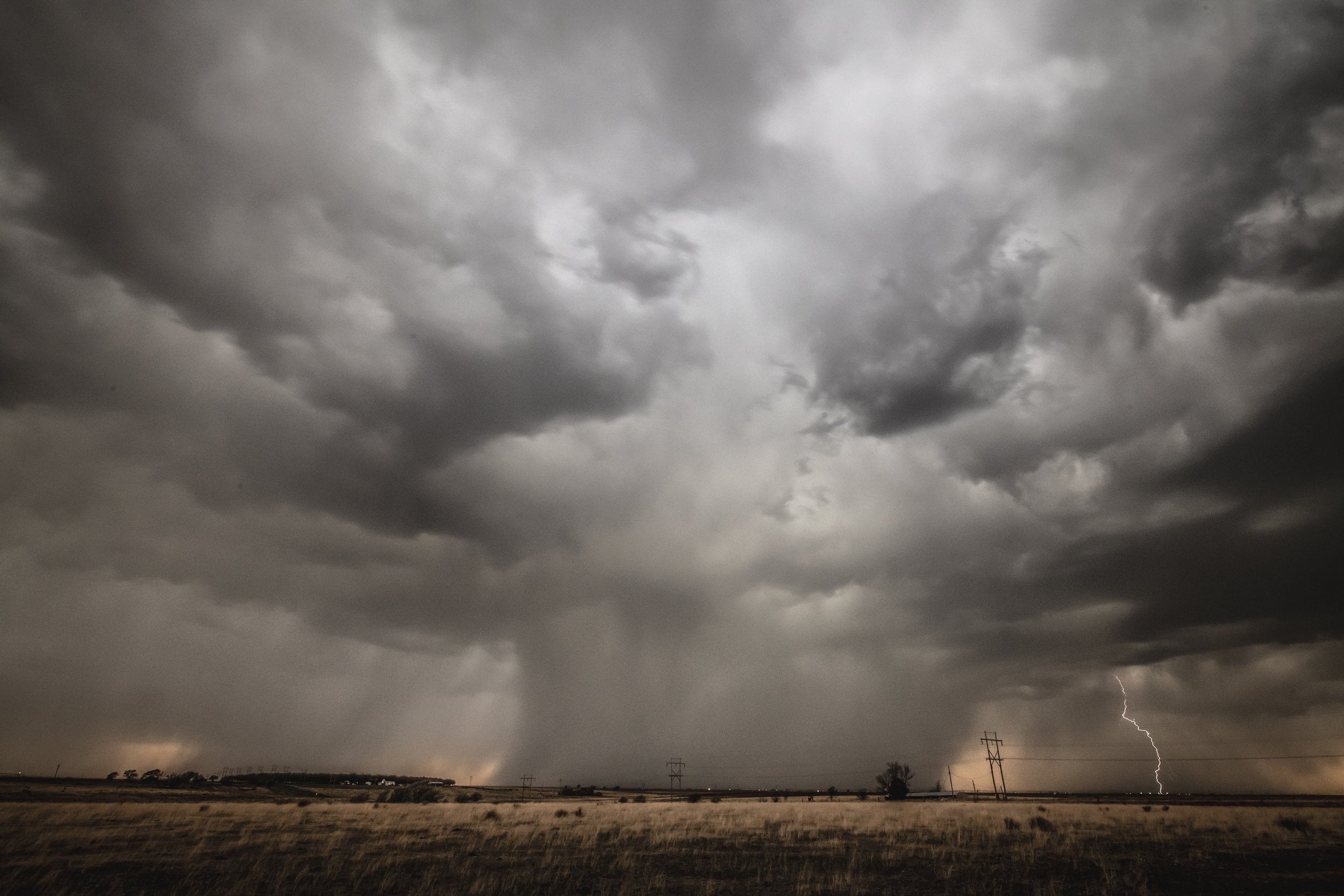
"Before Impact" — Oklahoma City, Oklahoma
I don't arrive with a shot list. No checklist of compositions to tick off. No mental image of what the "perfect" photograph should look like. That approach would blind me to what's actually there.
I show up open. Let the light, weather, and mood guide me. And here's what I've learned: unpredictability is the most creative element in landscape photography. Not planning. Not control. The chaos.
This is clearest when shooting storms. You can't direct lightning. Can't choreograph clouds. Can't schedule the moment light breaks through darkness. You're at the mercy of forces far bigger than you.
And it's exhilarating. Everything changes by the second. Wind shifts. Light transforms. The storm evolves. You're experiencing this raw, powerful thing while trying to capture it. No time to overthink. Pure reaction. Pure presence.
This is what "living in the moment" actually means—not as philosophy, but as visceral reality. Standing in a storm with your camera, there's no past, no future. Just the next lightning strike. The next shift in light. The next breath.
The most powerful images come from pure presence. A sudden shift in light that lasts three seconds. An unexpected composition that appears and vanishes. Serendipity that only happens when you stop trying to control and surrender to it.
Being fully there lets the landscape reveal itself, rather than forcing it into a frame I decided on beforehand.
Letting go creates more authentic images than directing ever could.
There's a dichotomy in how I work. Three distinct phases, each requiring a completely different mindset.
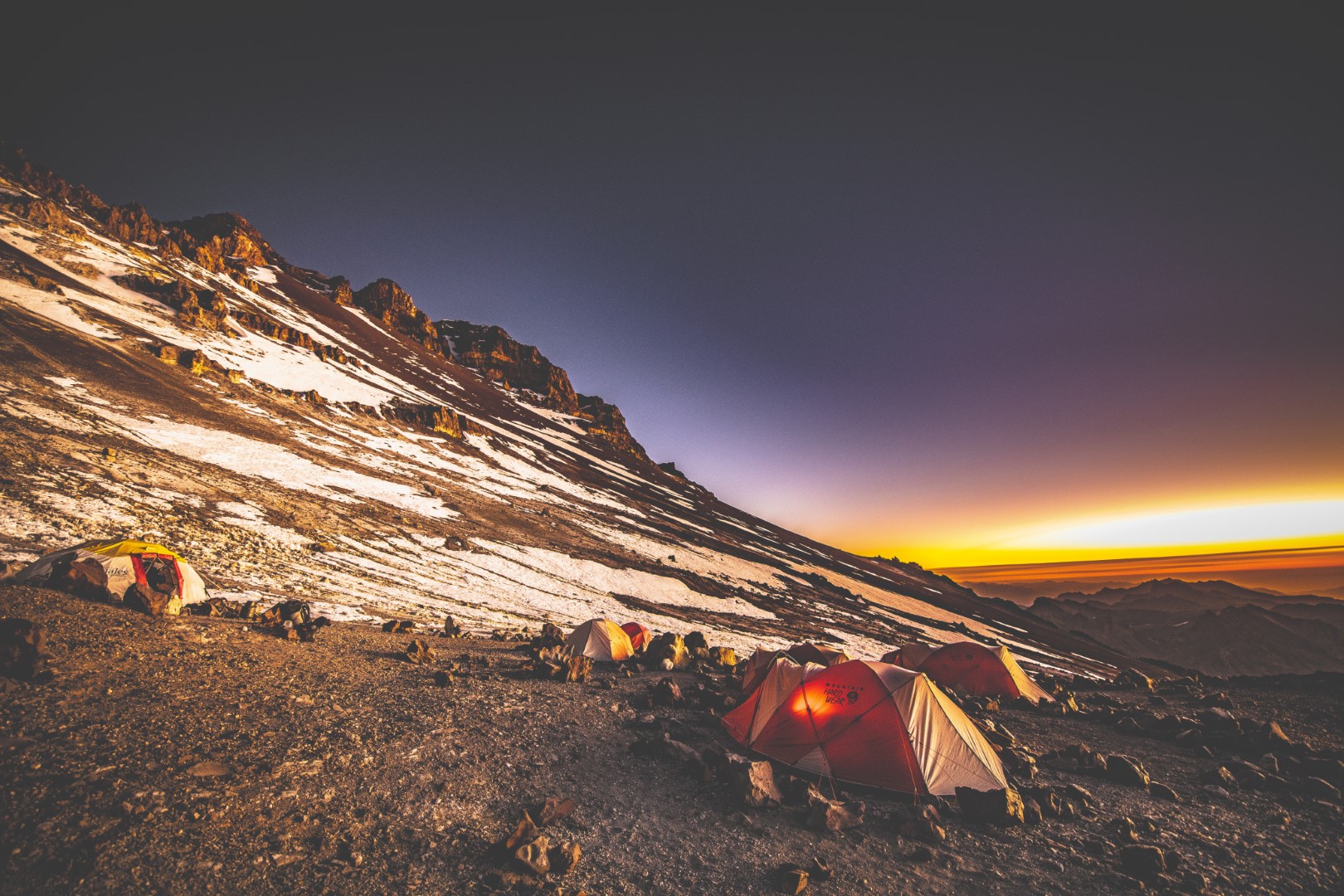
"High Altitude Home" — Mount Aconcagua, Argentina
Before any expedition, I plan obsessively. Every detail matters. I research gear for the terrain, weather protection needed, how much weight I can realistically carry at altitude. Routes mapped precisely. Transport logistics analyzed. Best lighting windows identified. Learn more about the equipment I use.
At 5,000 meters, every ounce matters. Your body's already struggling with thin air—extra weight isn't just inconvenient, it's dangerous. And most electronics start failing. Camera batteries that last hours at sea level die in minutes. Gear that works perfectly in normal conditions becomes unreliable.
You realize quickly how everything is engineered for sea level. Normal assumptions—air pressure, moderate temperatures, adequate oxygen—break down. You adapt. Backup batteries. Equipment kept warm against your body. Accepting that some shots won't be possible because the tech can't handle conditions.
This phase is methodical, analytical. Solving problems before they occur. The better I plan, the more prepared I am for what I can't predict.
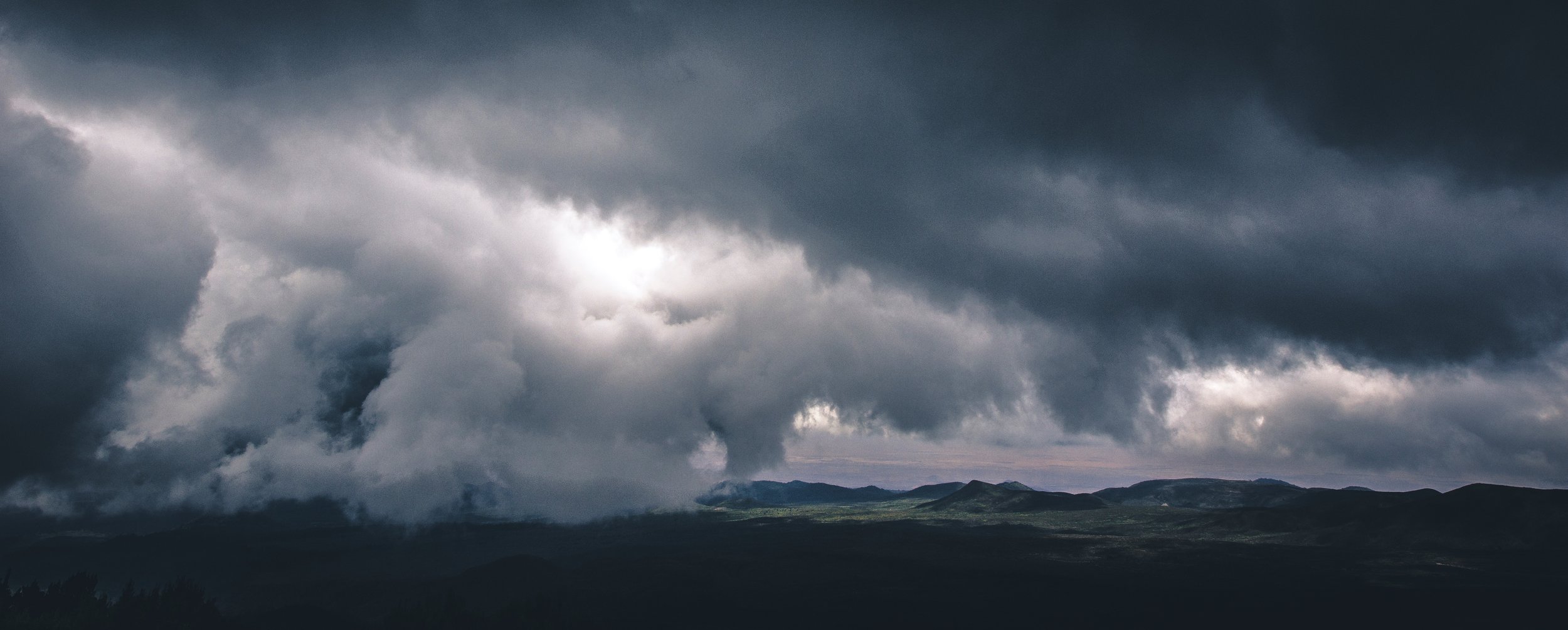
"The Gathering Storm" — Mount Kilimanjaro
The second I arrive, everything flips. All that planning becomes background knowledge. I switch to a completely opposite mode—adapting, improvising, responding.
Light isn't what I expected. Weather changed. The landscape reveals something I couldn't have seen from maps. In these moments, I need to be fluid, responsive, present. The planning gives me freedom to adapt—I'm not worried about logistics, so I can focus on what's in front of me.
Here's the paradox: the better I plan ahead, the better I adapt in the moment. Meticulous preparation creates space for spontaneity. Rigid structure enables fluid creativity.
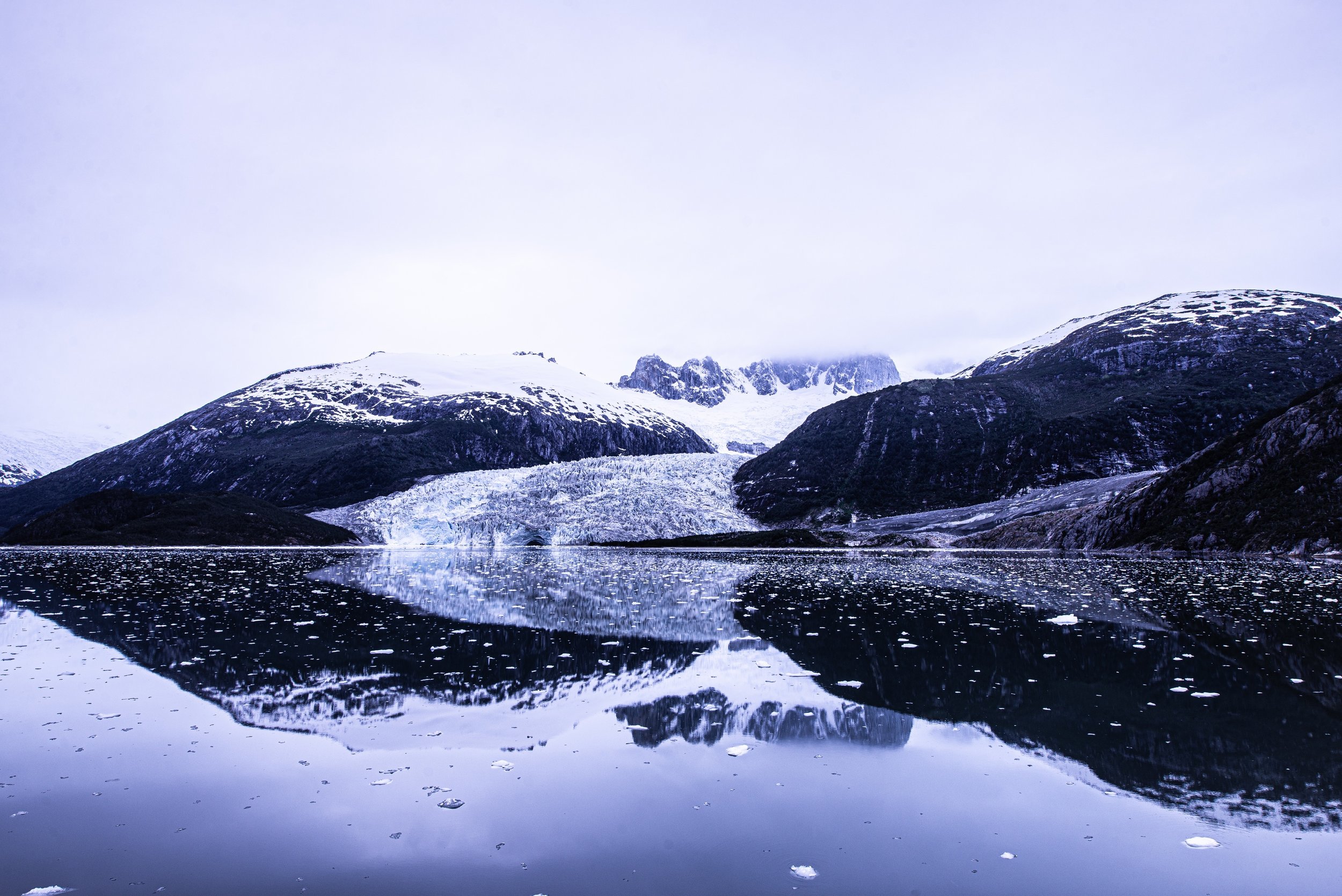
"Mirror Mirror" — Patagonia, Argentina
After capturing images, I don't rush to process them. The raw files sit—sometimes weeks, sometimes months. I need distance from the capture to see clearly. Being there clouds judgment. Time provides clarity.
I've rediscovered images years later, seeing them completely differently. What I dismissed in the field reveals itself as profound with fresh eyes. Or something I thought was strong shows its weaknesses.
When I finally edit, I think of it like polishing a pearl. The pearl already exists—formed naturally, authentically. My job isn't to create it. It's to remove debris. Bring out inherent luster. Reveal what was always there but obscured.
I adjust so the image represents what I witnessed—correcting for how sensors interpret light differently than eyes, balancing exposure, refining clarity. But I'm not adding elements. Not creating drama that didn't exist. Just revealing the truth of that moment. Learn more about the printing process.
What you see is what was there. The light, colors, mood—all real. My role was to see clearly and share that. Each print carries the energy of the place itself.
Read about my philosophy and technical approach. See the results in the portfolio or shop prints.