
I don't create images. I reveal what's already there. No composites, no fake skies, no manipulation. Just nature as it actually exists.
I became a landscape photographer at 5,000 meters in the Himalayas. I wasn't ready for it.
At that altitude, light works differently. The air thins, goes crystalline, and suddenly you're seeing colors most people never will. Shadows cut sharper. Everything feels alive in a way I can't quite explain—I've tried, and words keep failing me.
I remember standing there, surrounded by peaks older than human memory, thinking: most people never leave the small square they've drawn around themselves. Born, work, die—never standing where the air is thin and the world drops away beneath you.
I made two decisions that day. Return to summit Everest someday. And spend my life capturing as much of Earth as possible—building a visual archive of our planet before it changes or disappears.
This wasn't about taking pretty pictures. It was about bearing witness. Creating a record of places that exist in their pure form, untouched by the compromises we make everywhere else. Every expedition since has been driven by this: see it, feel it, capture it, share it. Learn more about how I approach each expedition.
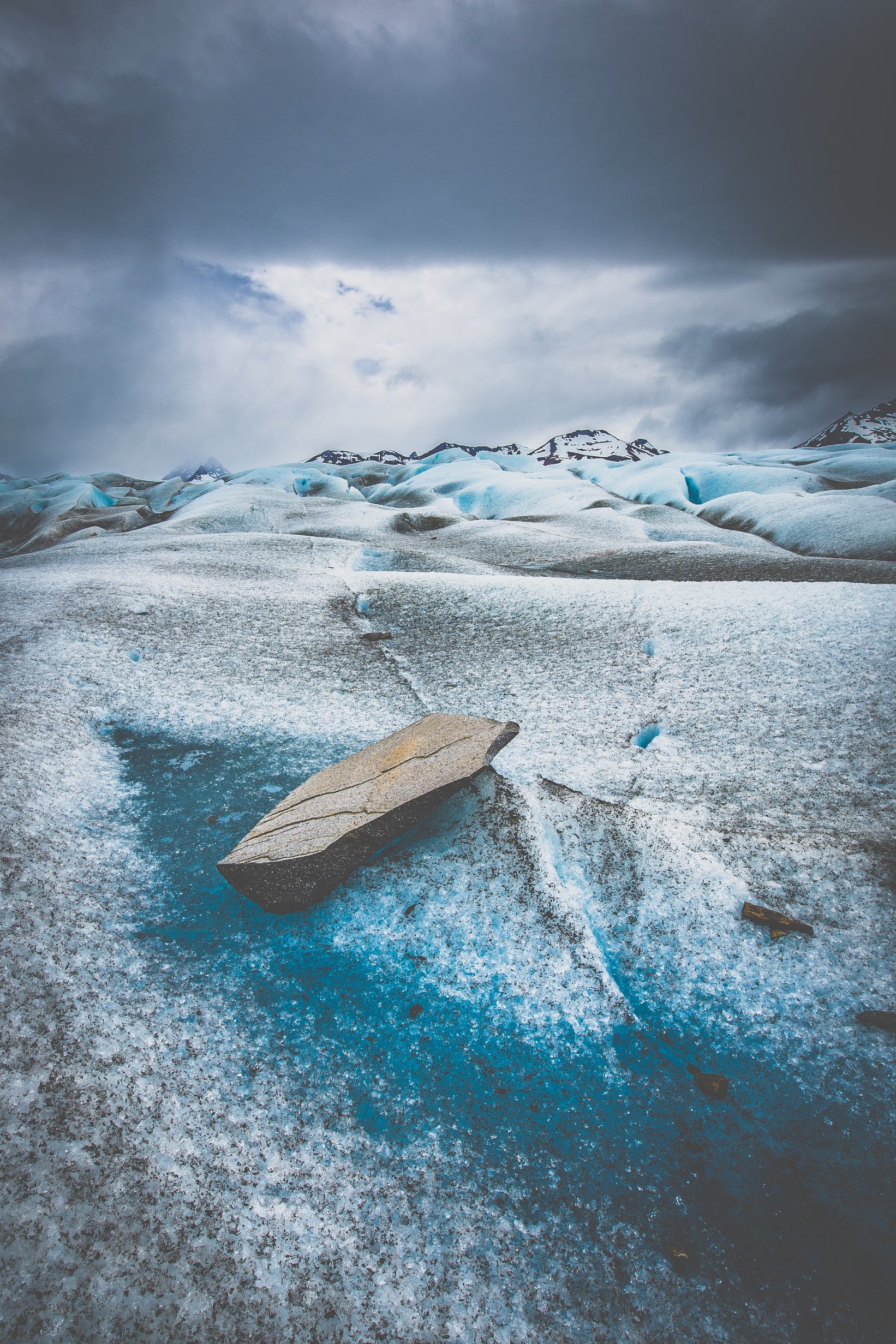
"Adrift" — Perito Moreno Glacier, Argentina
Here's something most people don't think about: every photograph is literally a slice of spacetime. Not metaphorically. Literally.
Return to the exact same coordinates, same spot, same time of year—it will never be the same. Light has changed. Clouds have shifted. Earth has moved through space. The universe has expanded. That exact moment is gone forever.
This is why authenticity matters. When I capture an image, I'm preserving a specific moment that will never exist again. That exact configuration of light, atmosphere, and geology is singular. My photograph is the only evidence it ever existed.
To manipulate that moment—add elements that weren't there—would be to falsify a historical record of our planet's existence. I can't do that.
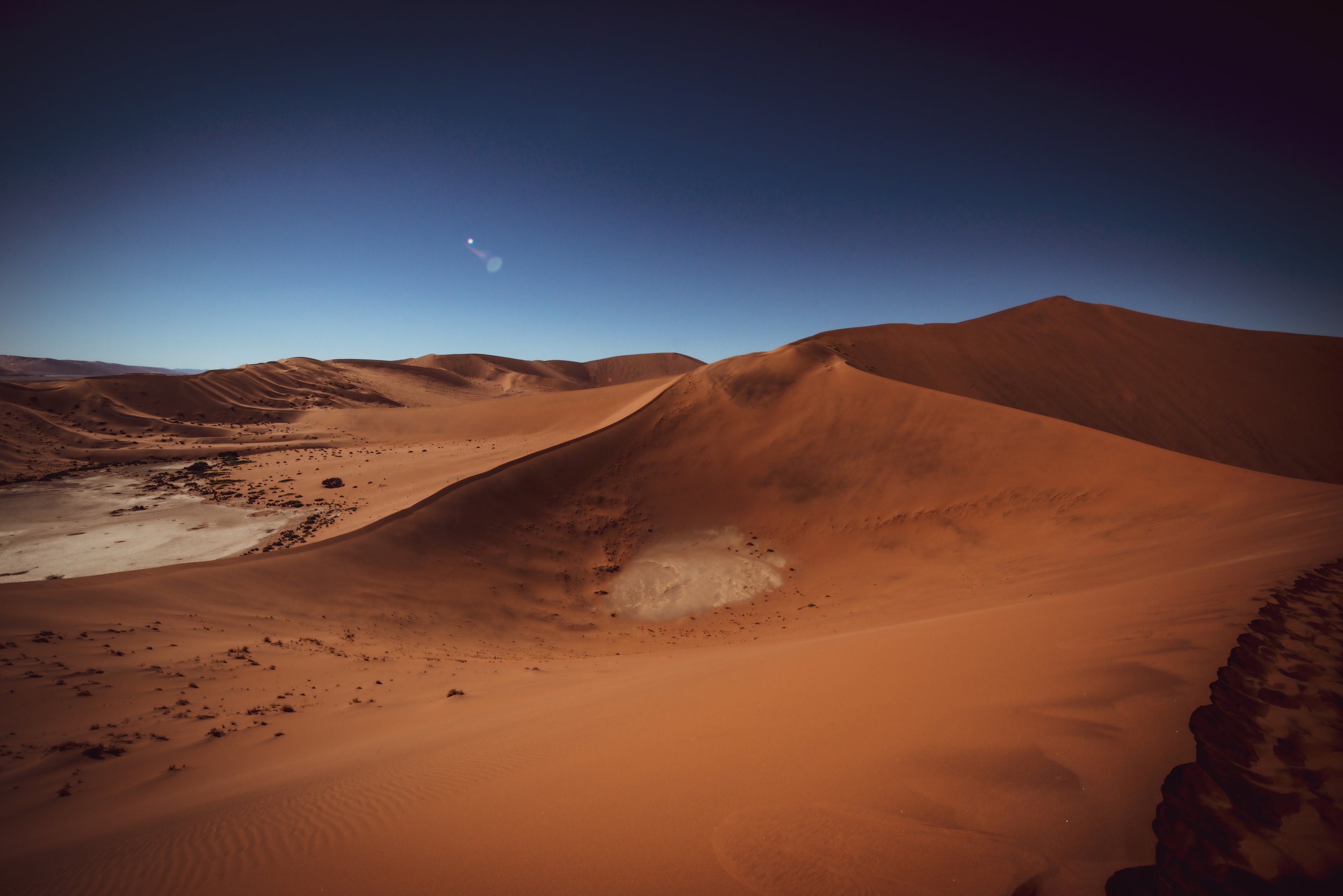
"Silence Basin" — Sossusvlei, Namibia
Every location has its own rhythm. Before I raise my camera, I spend time just being there. Listening. Watching. I don't arrive with a shot in mind. I let the place show me what it wants to show.
The best photographs happen when I've let go of expectations. When I stop trying to impose my vision and just become a witness.
"The landscape doesn't need me to make it beautiful. It already is. My job is to see it clearly."
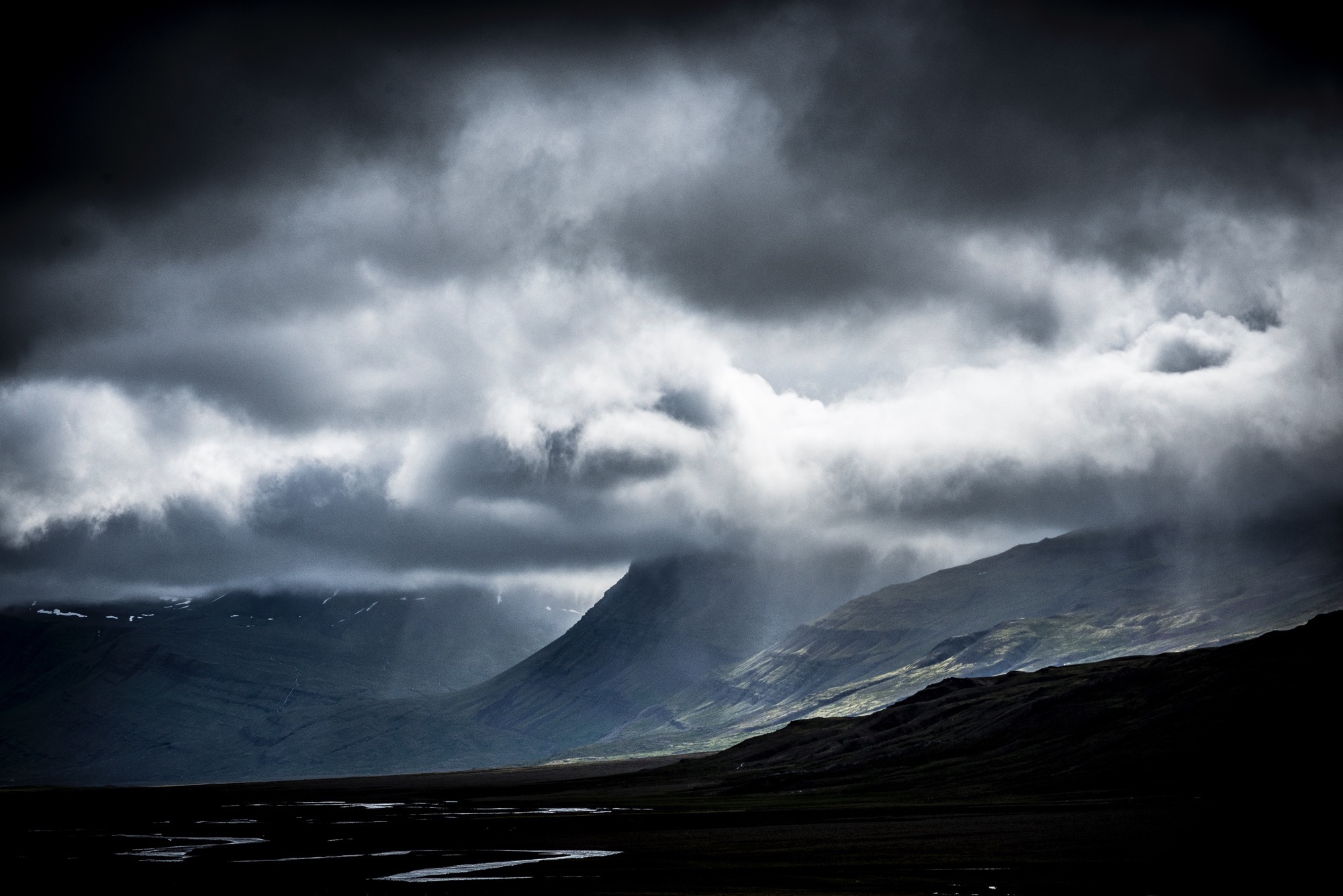
"The Silver Lining" — Þórsmörk, Iceland
I don't Photoshop images into existence. Some photographers composite skies, add elements, manipulate colors beyond recognition. That's not what this is.
Everything in my photographs was present in that moment. The light, colors, composition—all real. My post-processing is minimal: basic adjustments so the print matches what I witnessed. Nothing more.
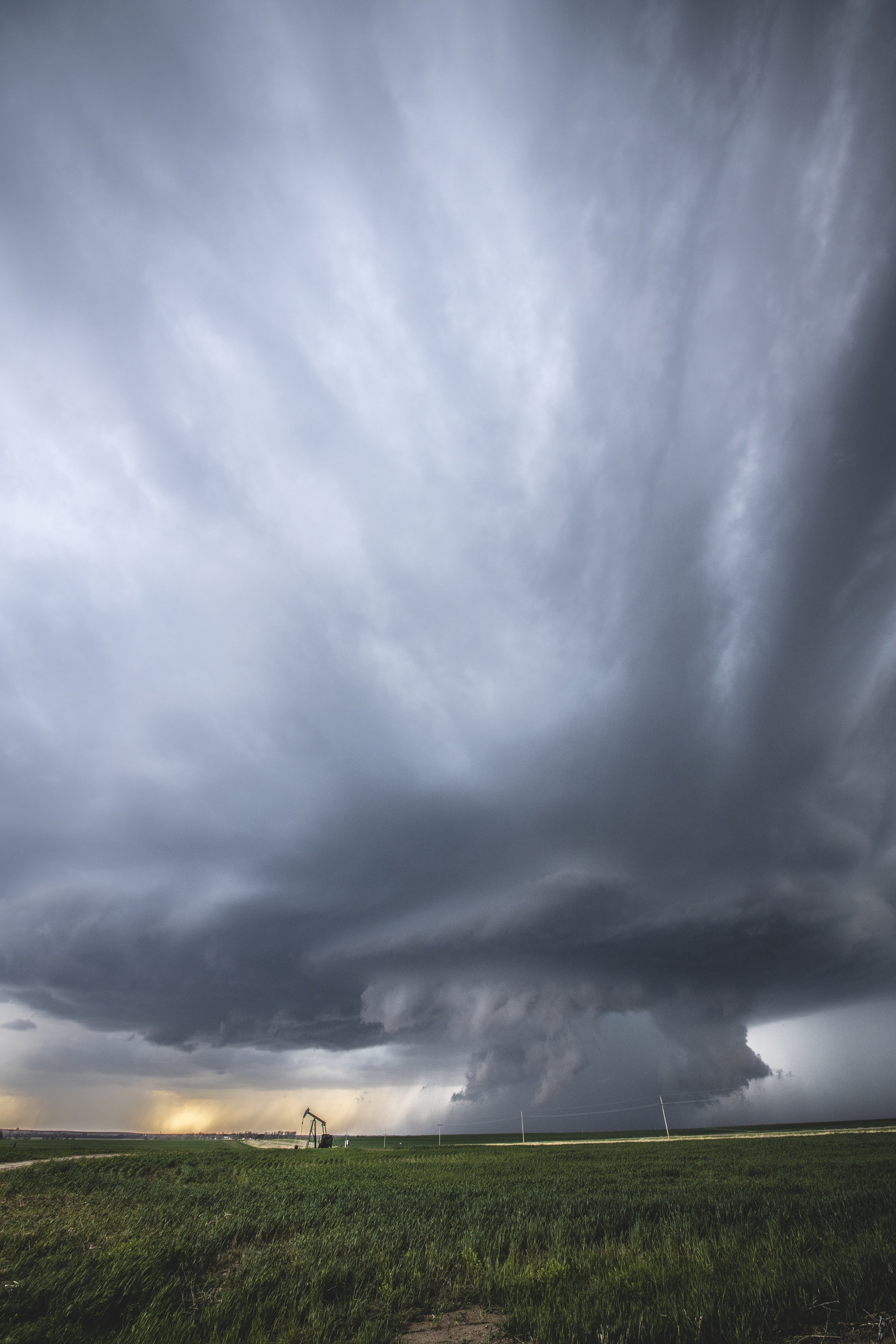
"Silent Spring" — Dodge City, Kansas
I love landscapes because nature is humbling in a way nothing else is.
Live in cities long enough and you start believing humanity controls nature. We build skyscrapers, engineer solutions, reshape our environment. Easy to forget the truth: we're a blip on Earth's timeline. An infinitesimal speck in the universe. A pale blue dot acting like we're the center of everything.
Stand before a glacier that's been carving mountains for millennia. Watch a storm containing more energy than all human civilization could generate. Feel the ground shake from a waterfall that's been falling since before writing existed. These forces don't care about our schedules. They simply are.
Find an old sequoia. Touch its bark. That tree might have existed before Rome, before ancient Greece, before gunpowder, before America. Before 100 generations of your ancestors were born.
It will likely outlive you by another 100 generations. It's witnessed empires rise and fall. Technologies invented and forgotten. Entire civilizations appearing and disappearing. Through it all, the tree just grows. Quietly. Patiently. Indifferent to human drama.
Nature is like music. Sometimes a quiet lullaby—wind through grass, dawn light on still water. Other times a violent symphony—thunder crashing through canyons, waves hammering cliffs.
The best images don't just capture motion. They capture emotion. In a single frame, you should feel what that moment felt like. The serenity or chaos. Peace or power. When someone looks at my work, I want them to feel it instantly—as if they were standing there with me.
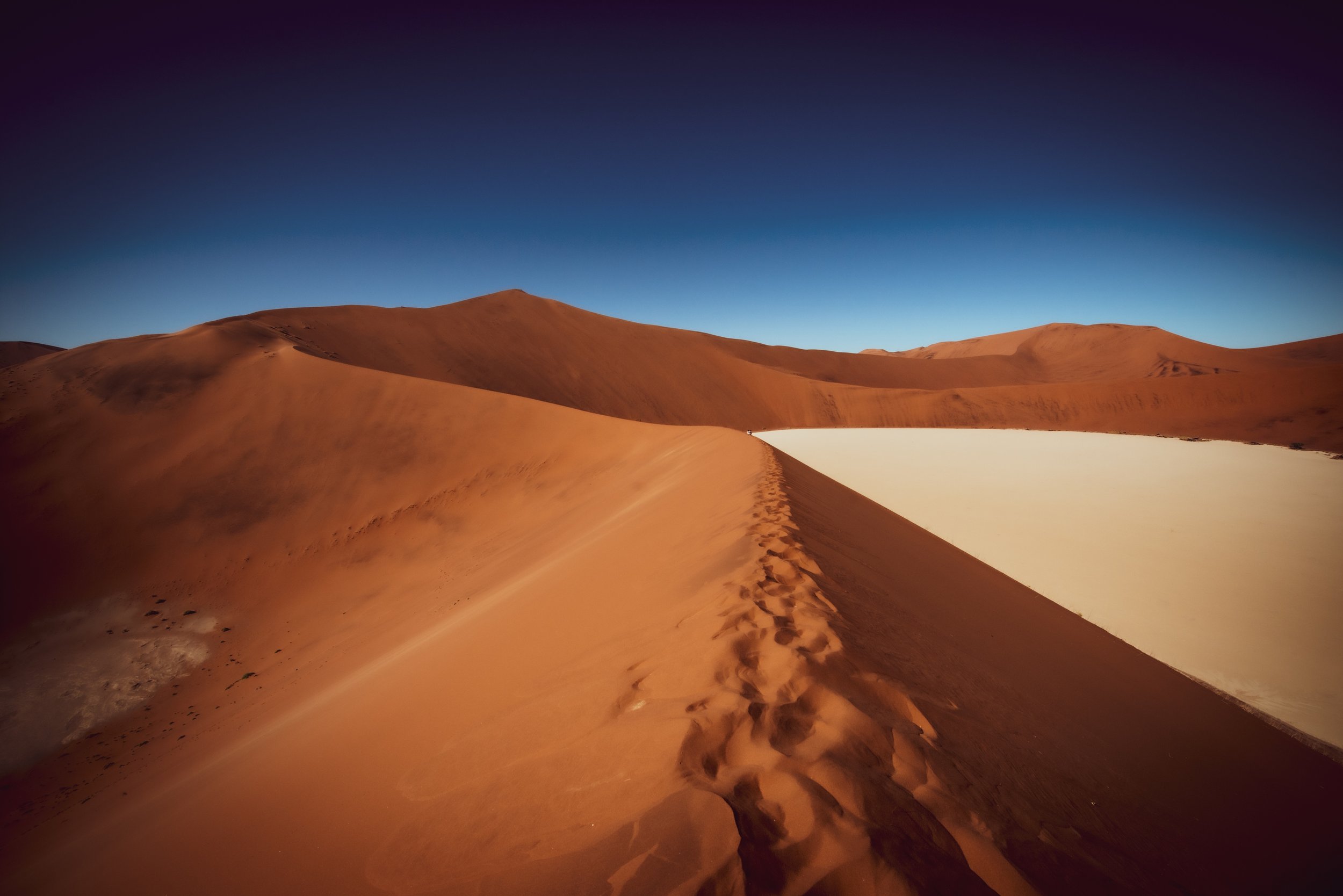
"The Great Divide" — Sossusvlei, Namibia
Landscape photography needs no translation. No cultural context. No explanation. If you can see, you can understand it instantly.
A single photograph gives you tremendous information in seconds. Mountain scale tells you about geological time. Light quality tells you about atmosphere. Presence or absence of life tells you about climate. All communicated instantly, without words.
This is why landscape photography works as a repository of Earth's beauty. It transcends language. A visual record anyone could understand—whether viewing it a hundred years from now or a thousand, whether speaking English or Mandarin or some language not yet invented.
In a world where images can be manipulated beyond recognition, authenticity becomes precious. When you look at one of my prints, you're seeing a real moment, a real place. There's integrity in that—a connection to something genuine. Read more about what authenticity means for my prints.
This isn't just artistic preference. It's responsibility. I'm not a conqueror of landscapes. I'm a guest, a witness, a temporary visitor in places that existed long before me and will exist long after. I treat them with the reverence they deserve.
Being fully there lets the landscape reveal itself
Letting go of expectations, staying open
Honoring nature as it exists, without manipulation
Learn about my creative process and technical approach. See how this translates to our printing process or explore the prints.