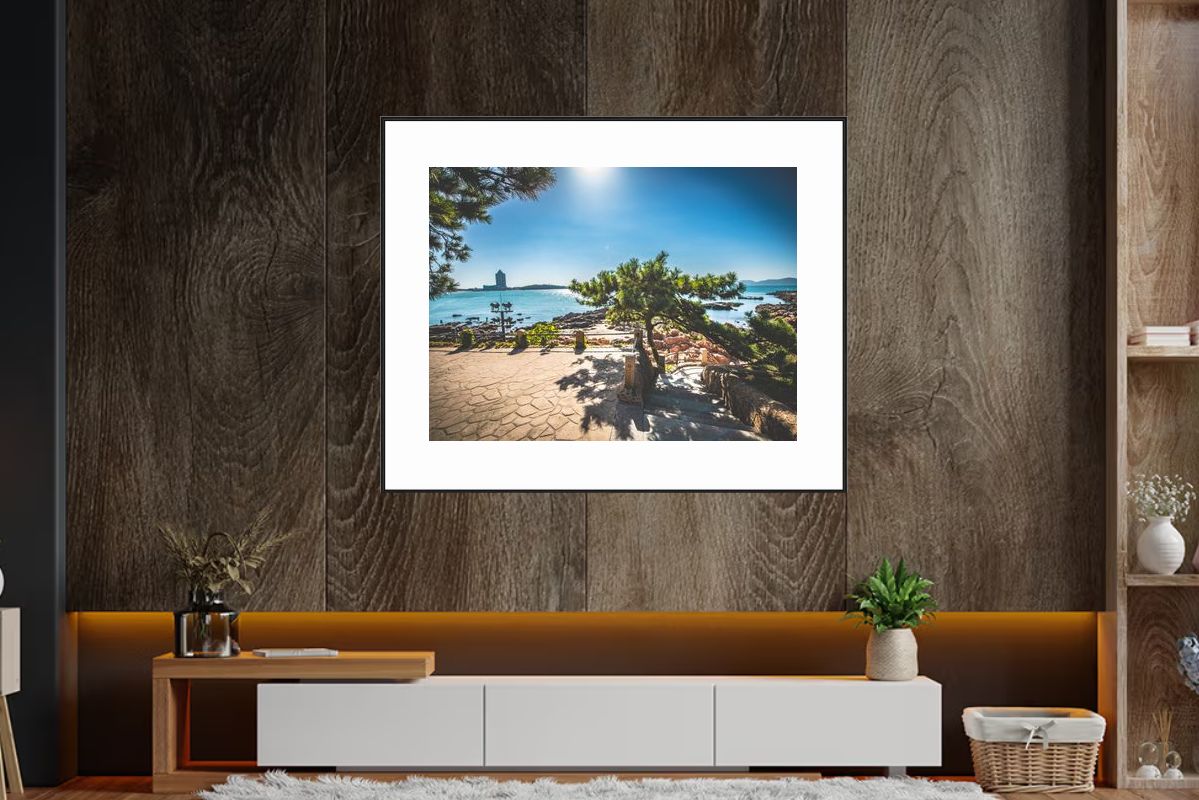
Home Decor
Art That Makes a Room Feel Bigger: A Simple Buyer's Guide
The right art can visually expand your space. Learn which types of art create the illusion of more space and how to choose pieces that make any room feel larger.
8 min read

Oversized prints can transform spaces, but getting the size right is crucial. Learn the simple, foolproof rule that ensures oversized art always looks proportional and perfect.
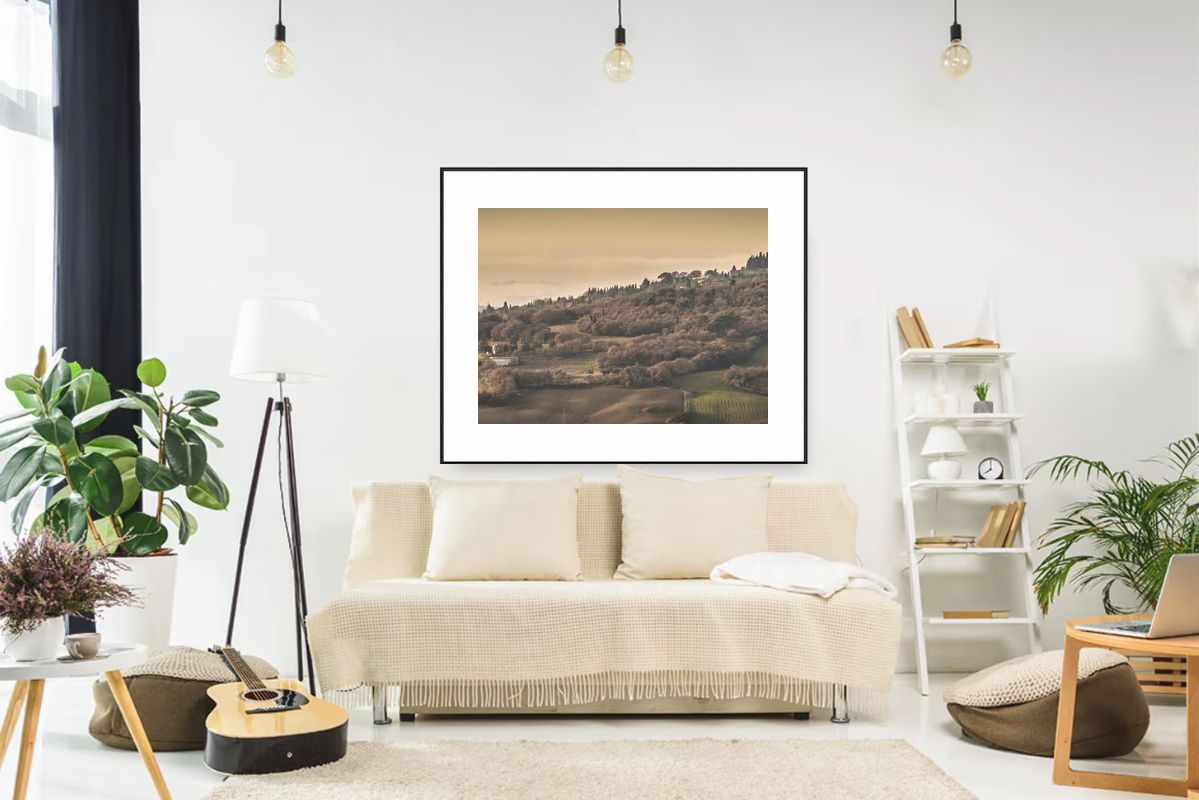
The Simple Sizing Rule for Choosing Oversized Prints
Oversized prints are dramatic, impressive, and transformative. But choosing the right size feels like guesswork. Here's the simple rule that takes the guesswork out of oversized art selection.
Oversized typically means:
In context: Large enough to be the primary visual element, often filling most of a wall.
For standalone walls: Art should be 50-80% of wall width
For art above furniture: Art should be 60-75% of furniture width
That's it. This one rule solves most sizing questions.
It creates proportion:
The math is simple: Measure space, calculate percentage, that's your art size.
The process:
Example: 12-foot wall (144 inches)
For dramatic effect: Go toward 80% For subtle presence: Go toward 50%
The process:
Example: 84-inch sofa
Standard placement: 60-75% creates perfect balance Dramatic placement: Up to 80% creates strong statement
Space: 15-foot wall (180 inches), nothing on it
Calculation:
Choice: 120-inch wide landscape (67% of wall)
Result: Fills space beautifully, creates dramatic focal point, proportional balance
Space: 76-inch king bed, standard bedroom
Calculation:
Choice: 54-inch wide landscape (71% of bed)
Result: Perfect proportion, anchored focal point, balanced look
Space: 10-foot wide wall, 14-foot ceilings
Calculation:
Choice: 84-inch wide landscape (70% of wall), or 60-inch tall vertical piece
Result: Takes advantage of height, creates impressive welcome, proper scale
Yes, in specific cases:
Guideline: Exceed 80% only if you have very large space and want dramatic effect.
Stay at 50-60% when:
Guideline: 50-60% creates presence without dominance.
The problem: Art that's large in absolute terms but too small for space
Example: 48-inch art on 15-foot wall (only 27% of width)
The fix: Use the 50-80% rule. If art is less than 50% of wall, it's too small.
The problem: Art that overwhelms space or furniture
Example: 120-inch art above 60-inch bed (200% of bed width)
The fix: Use the 60-75% rule. Art shouldn't exceed 80% of furniture width.
The problem: Choosing size without considering space
The fix: Always measure first, calculate percentage, then choose size.
The problem: Estimating size without calculation
The fix: Measure, calculate, use the rule. Math beats guessing.
With high ceilings (12+ feet):
Still follow rule: 50-80% of wall width, just can go toward higher end.
For narrow walls (under 6 feet):
Guideline: Rule still applies, but consider if space truly supports oversized.
For gallery arrangements:
Guideline: Individual pieces smaller, total arrangement follows rule.
Wall Width → Art Size:
Furniture Width → Art Size:
The simple sizing rule:
How to use it:
Why it works: Creates proportional balance. Art relates to space, not arbitrary sizes.
Remember: Oversized prints are dramatic and impressive, but only if they're the right size. Use the 50-80% rule (walls) or 60-75% rule (furniture), and you'll get it right every time. Measure, calculate, choose. That's it.
Your oversized art, your rule, your perfect size.
The right art can visually expand your space. Learn which types of art create the illusion of more space and how to choose pieces that make any room feel larger.
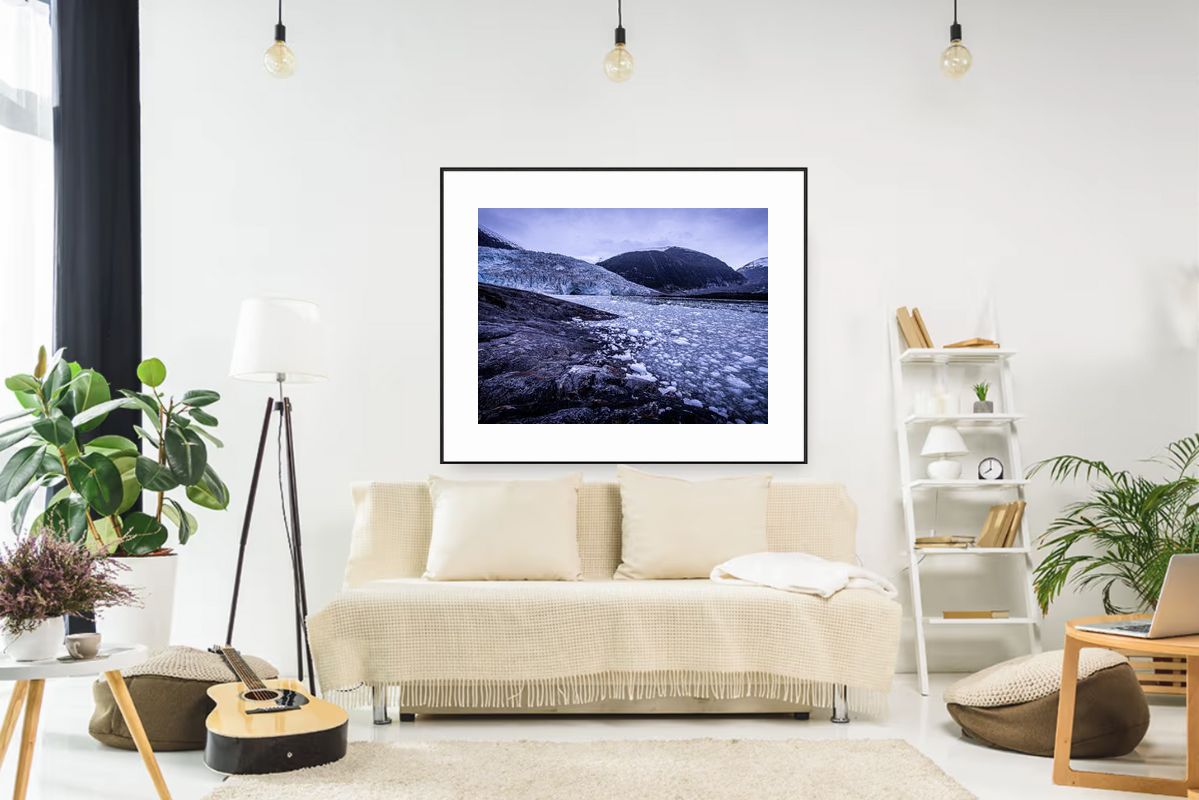
Glacier photography has unique qualities that make it perfect for modern interiors. Discover why these icy landscapes create such stunning focal points in contemporary spaces.
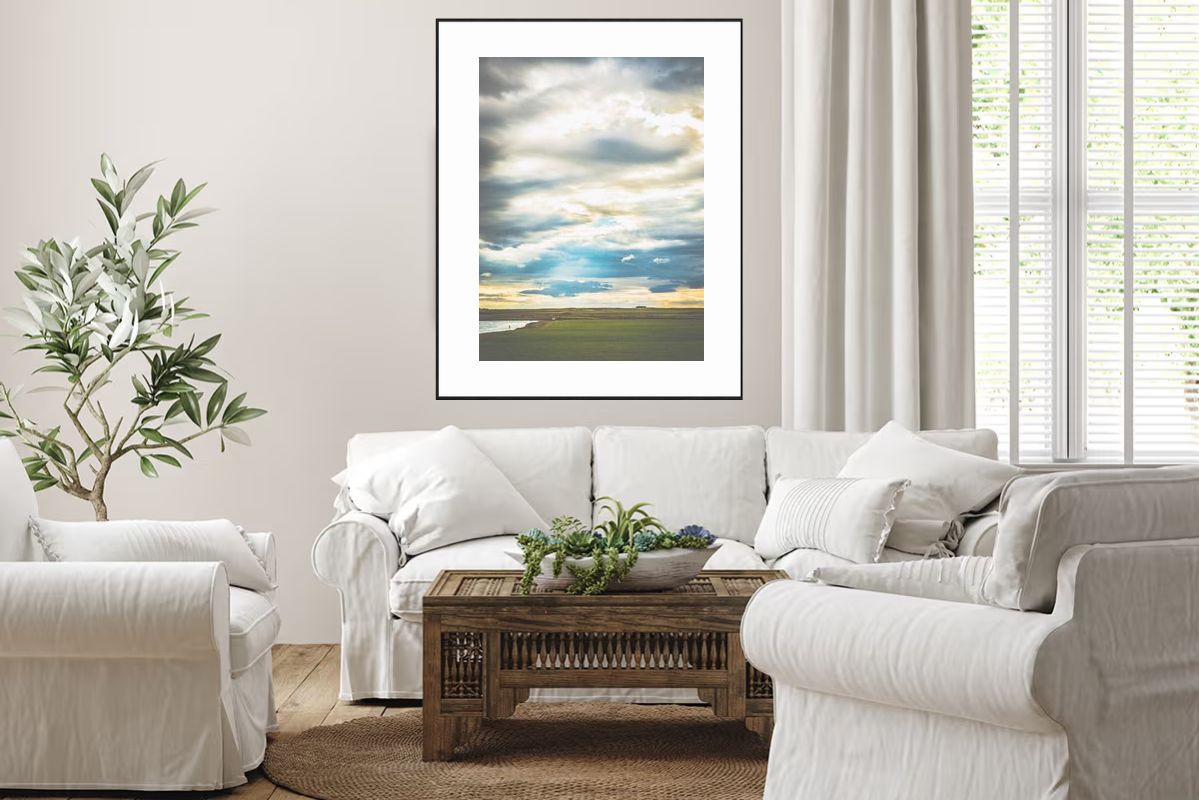
The right art can make your space feel larger and more peaceful. Learn the specific characteristics that create a sense of space and stillness in any room.